Learning challenge
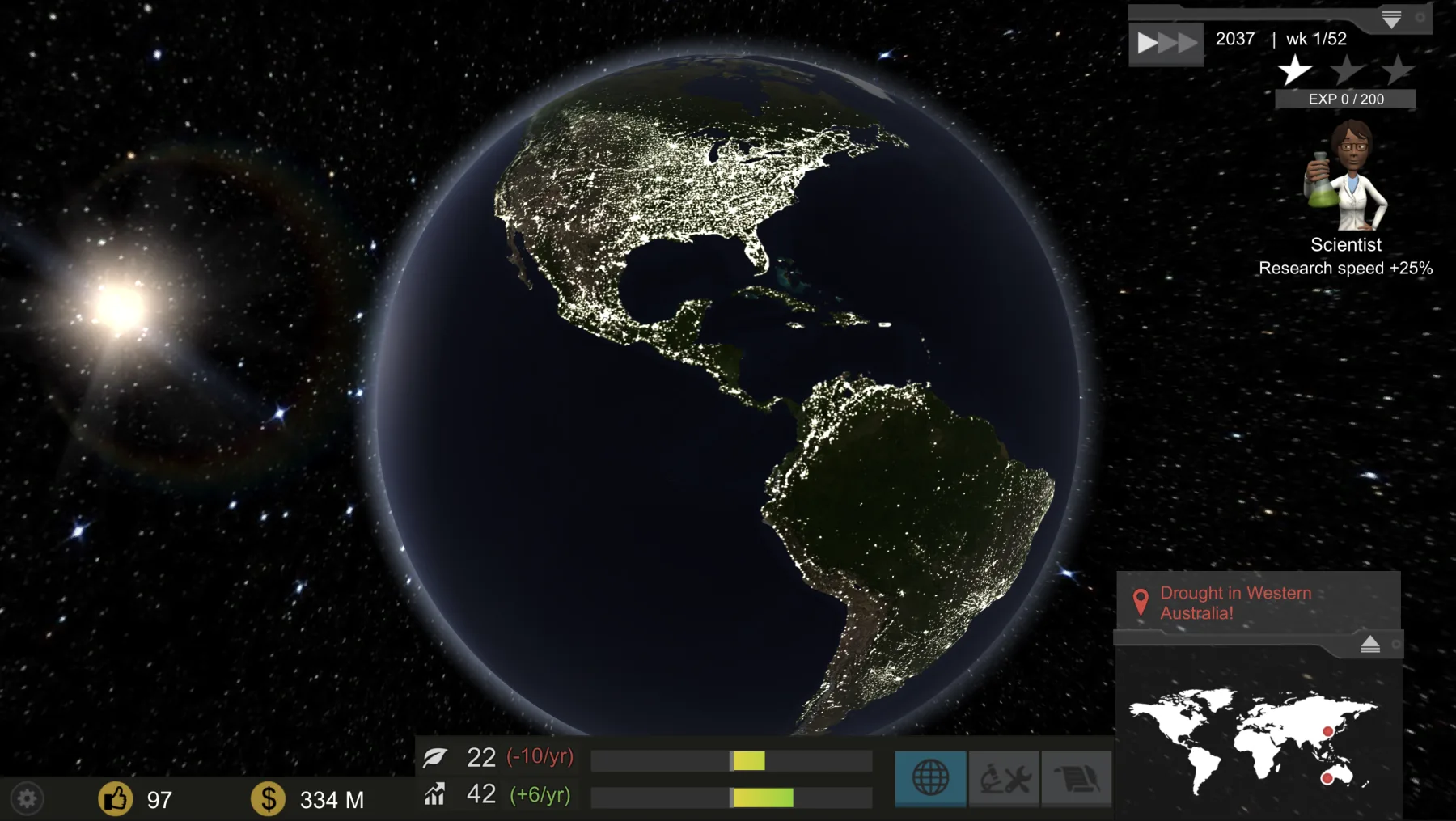
The game places players in a near-future Earth where environmental decline is damaging the world economy. Players have limited funds and political capital, so every action creates an opportunity cost.
Prior Work / UT Austin SAGA Lab
A Unity/C# strategy game where players balance environmental protection and economic prosperity against scarce funds, limited political capital, and unpredictable global events.
Problem
Environ was designed for a difficult teaching problem: environmental policy, economics, and systems thinking are easier to understand when students have to make decisions under pressure and live with the consequences.
The game places players in a near-future Earth where environmental decline is damaging the world economy. Players have limited funds and political capital, so every action creates an opportunity cost.
Environ turns sustainability into playable strategy. Players invest, research, regulate, respond to events, and watch the world react.
What Was Built
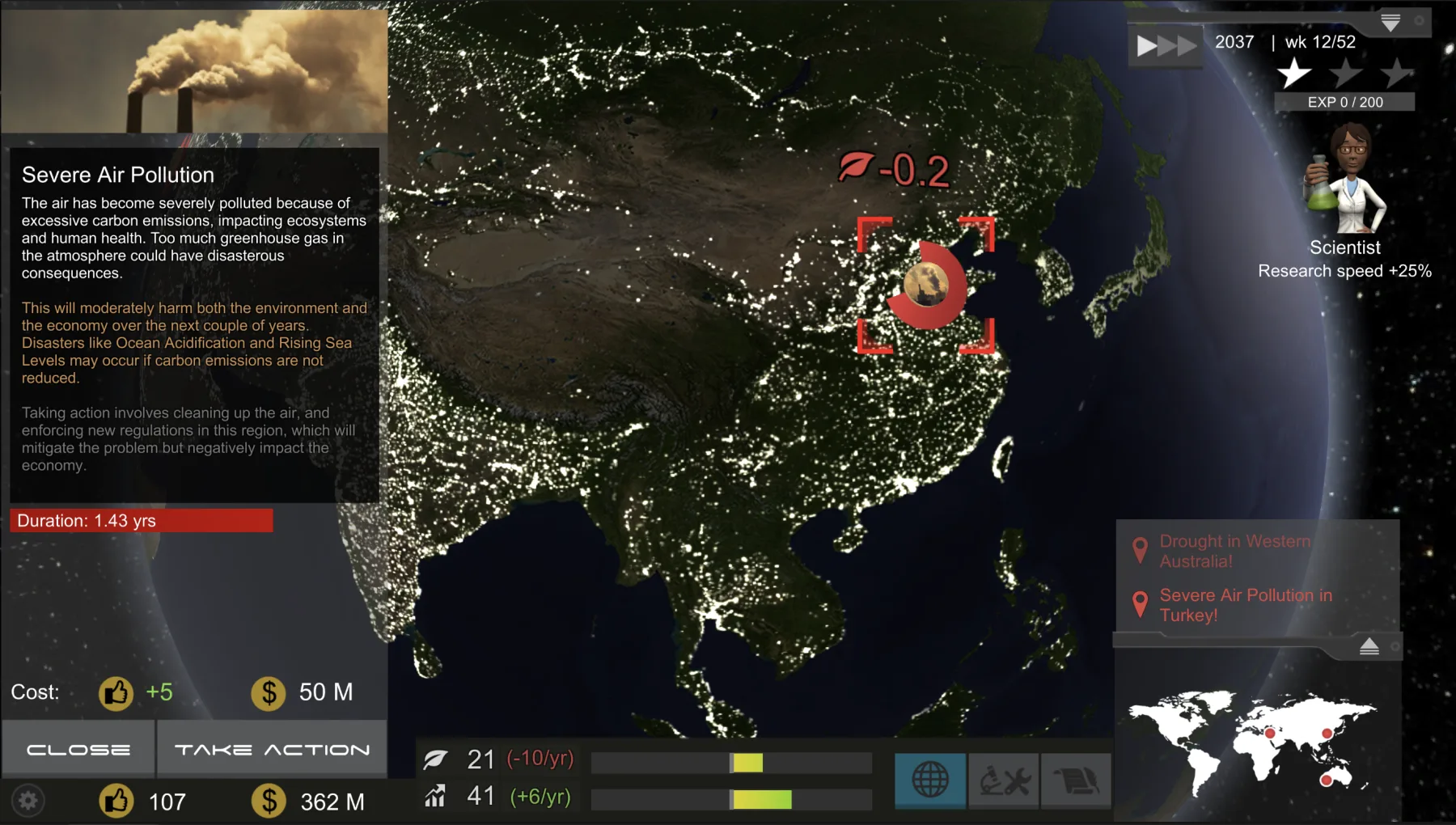
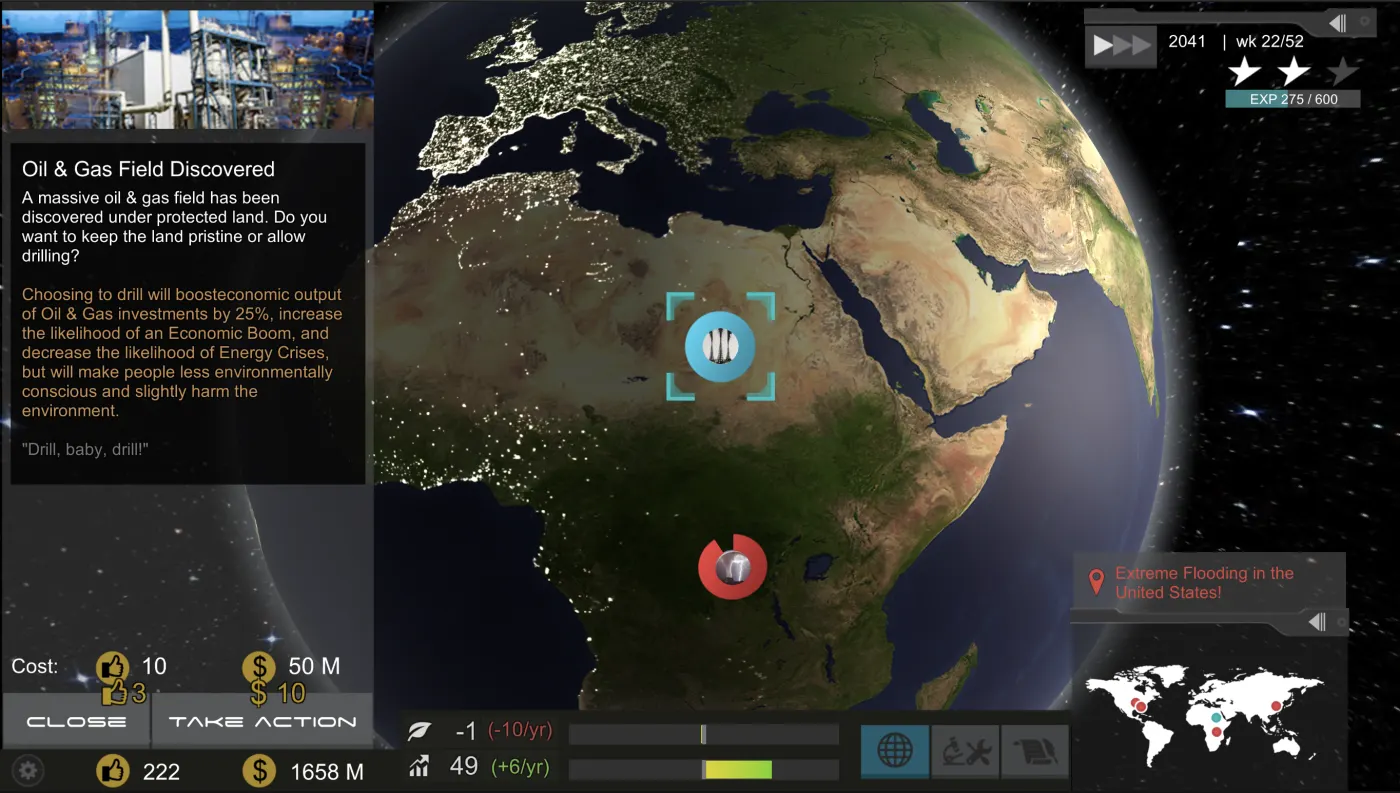
Drought, severe air pollution, economic shocks, technology breakthroughs, and other events appear around the globe. Players can respond directly, but every response has a cost and a projected effect on the environment, economy, or future risks.
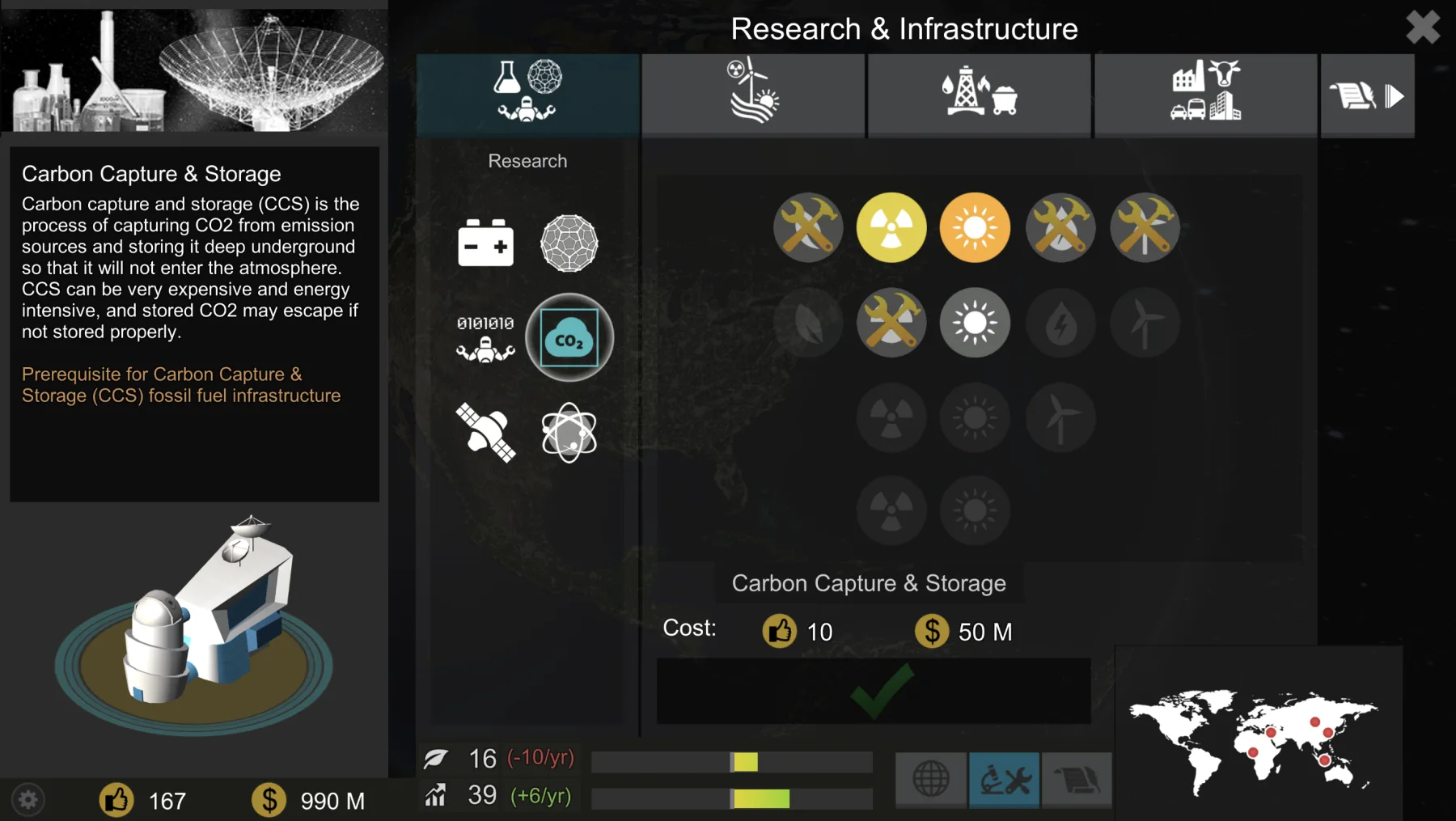
The simulation models research, infrastructure, energy, policy, and behavior-change investments. Players can pursue clean-energy research, carbon capture, subsidies, regulations, fossil-fuel strategies, and other levers with different costs and tradeoffs.
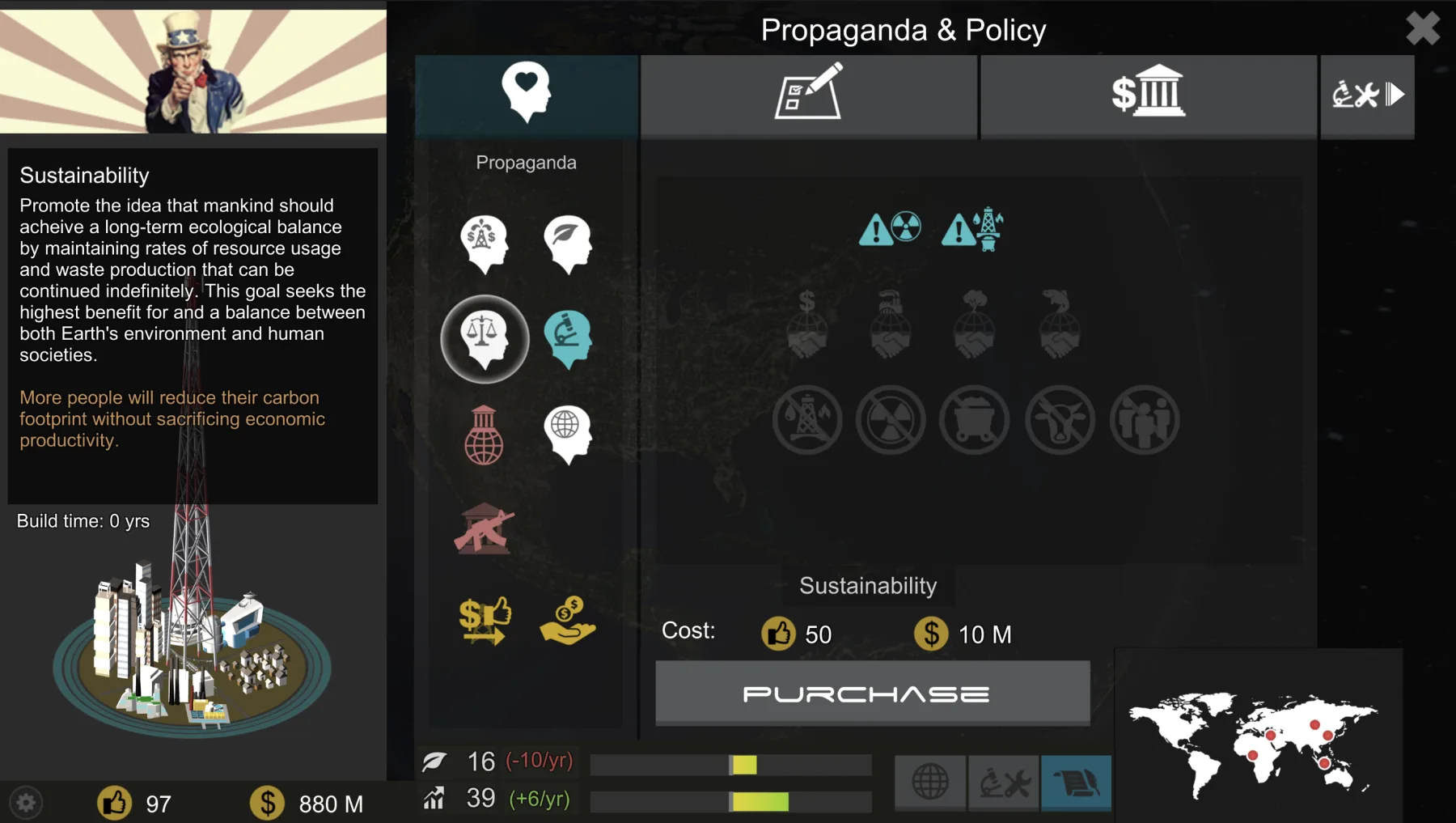
The policy layer makes persuasion, regulation, legislation, and public support part of the simulation. The goal is not to find a single perfect answer, but to reason through a changing system with limited authority and limited resources.
Matthew's Role
Environ was developed at UT Austin's SAGA Lab and funded by the Longhorn Innovation Fund for Technology (LIFT). Matthew helped shape the game concept, translate learning goals into playable systems, coordinate student contributors, and contribute hands-on Unity/C# development.
Defined core loops around scarce resources, global feedback, events, roles, initiative trees, and win/loss pressure.
Helped manage interdisciplinary work across education, game design, programming, art, and subject-matter input.
Contributed to gameplay, UI, and data-driven scenario systems in Unity/C#.
Learning Model
Environ uses active experimentation to support higher-level decision making. Players compare imperfect options, observe delayed consequences, and discuss the tradeoffs that emerge.
Visual Tour
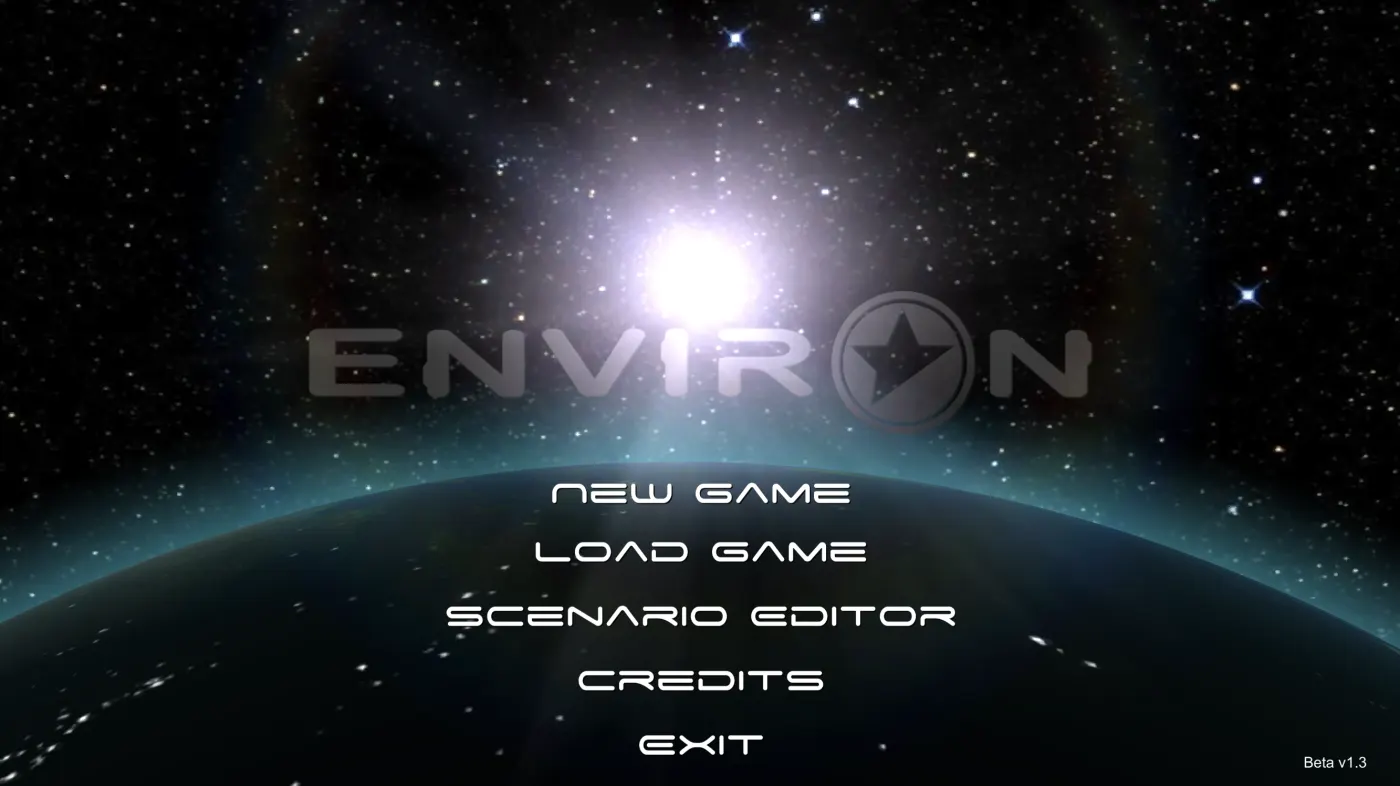
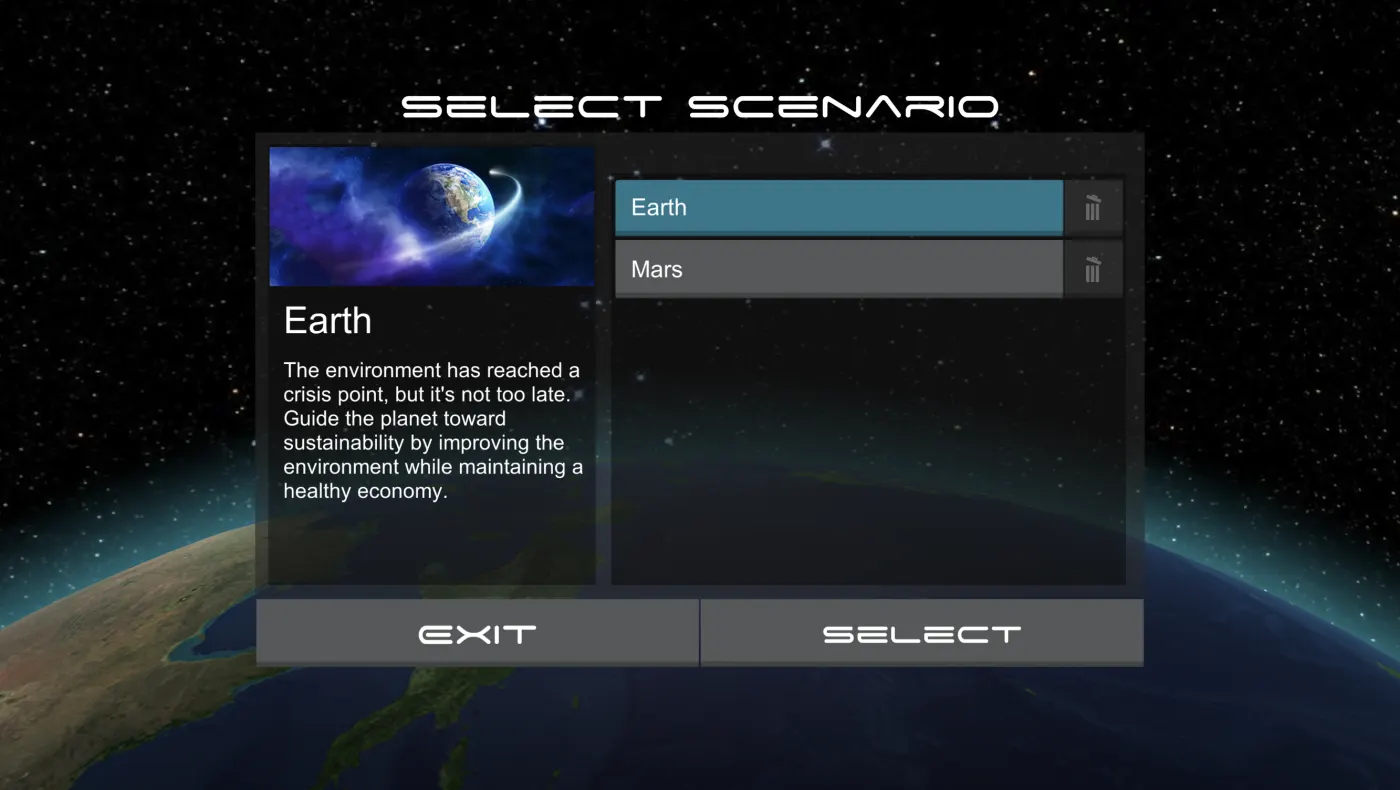
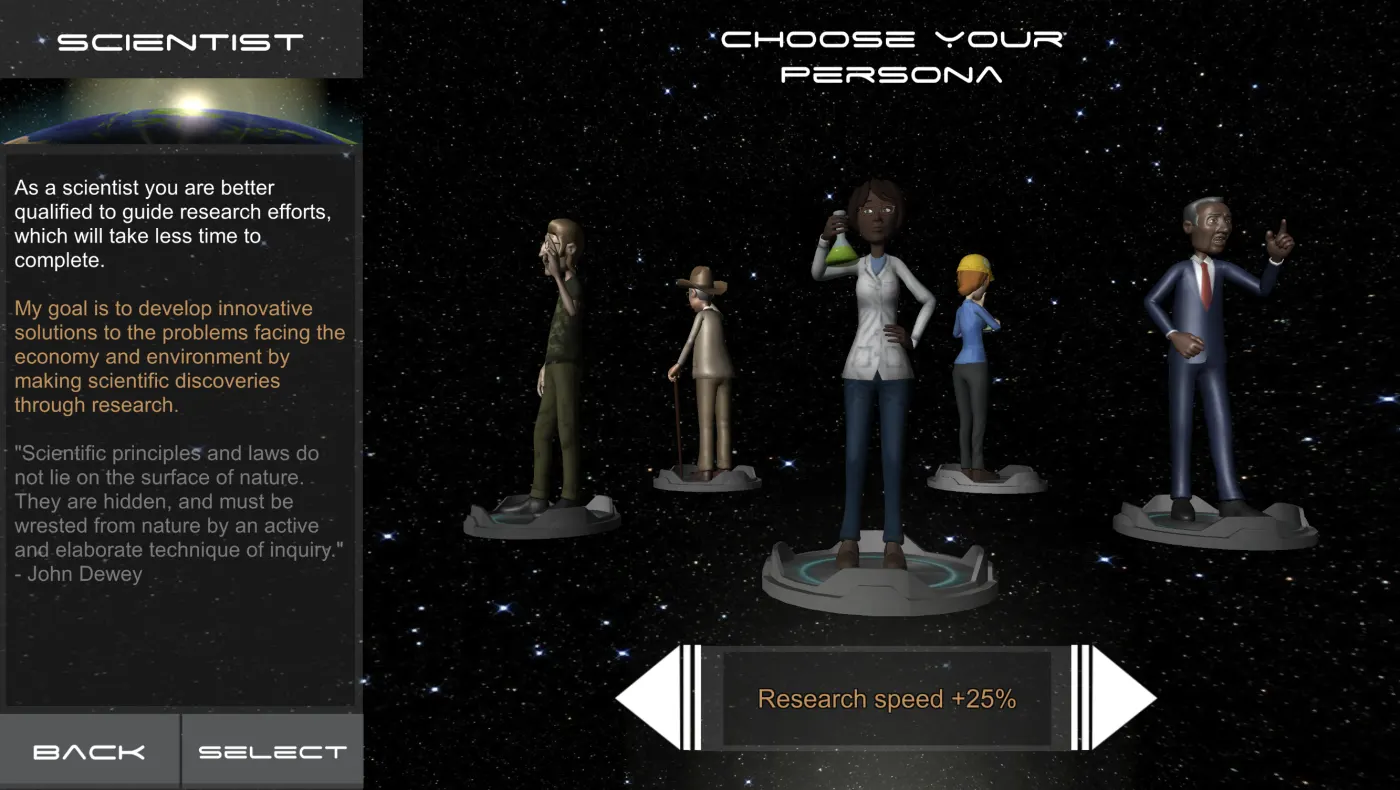
Explore the interface, scenario setup, personas, event flow, and later-game decisions.
Outcome and Context
Environ predates Good Life Games, but the throughline is clear: turn complex systems into experiences people can explore, discuss, and understand.
Unity/C# development, strategy-game systems, UI-heavy simulation design, research-backed learning goals, 3D asset integration, and team delivery in a university lab context.
The project was developed through UT Austin's Simulation and Game Applications (SAGA) Lab, formerly the Digital Media Institute, with support from the Longhorn Innovation Fund for Technology.
Sources
Additional context is available in the public coverage below.
Work together
Need an interactive simulation, decision-support tool, or product workflow that makes complex choices easier to understand?